Sketching in Rain: Tools and Habits for Wet-Weather Journals
Sketching in Rain: Tools and Habits for Wet-Weather Journals
Rain changes what is visible and how materials behave. It also offers unique opportunities: intensified colour, softened edges, reflective surfaces. Rather than advising a single setup, this note compares practical approaches—sheltered setups, weatherproof tools, and weather-embracing techniques—so you can choose strategies that suit the mood and duration of a rain session.
Sheltered setups: staying dry to work slowly
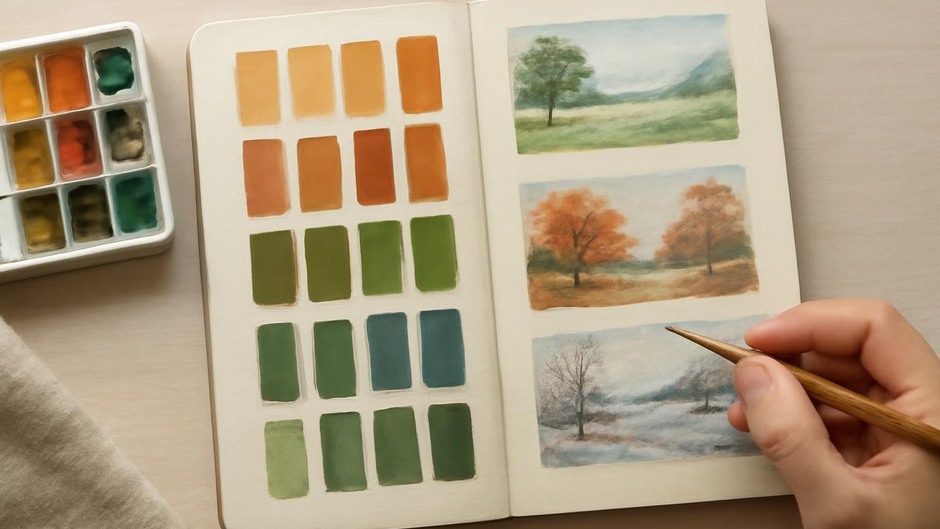
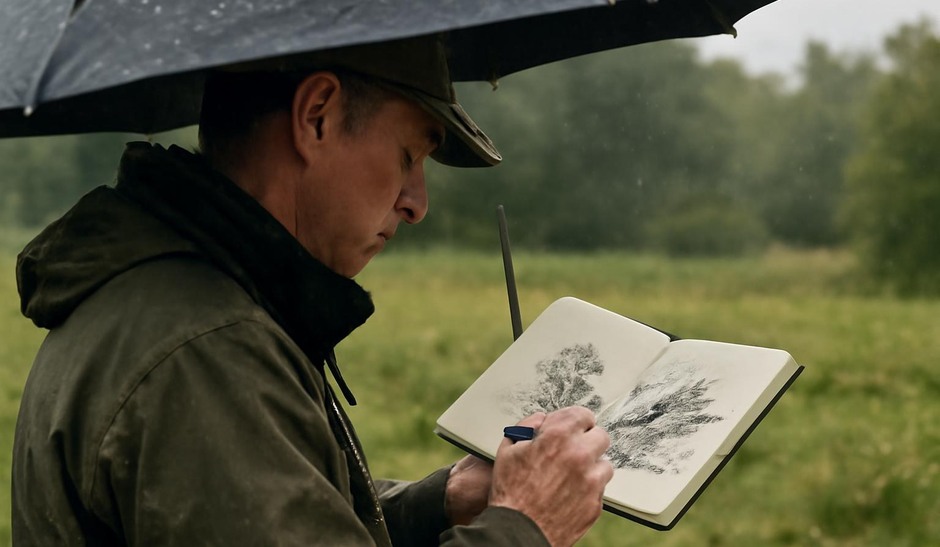
A sheltered setup—under a roof overhang, tree canopy, or portable shelter—lets you work with materials that are less weather-friendly, like diluted watercolours or graphite washes. Use a small board clipped to your sketchbook to keep pages flat and protected. Consider a translucent cover for overhead rain that still admits light. This approach favors studies that take longer and require deliberate layering.
Weatherproof tools: fast, resilient marks
Weatherproof tools include waterproof ink pens, pigment liners, and pigment-based coloured pencils. A compact plastic palette with waterproof pigments and a waterbrush reduces setup time and drying concerns. These tools enable quick, assertive marks that record the scene before conditions change. They are also forgiving when a few raindrops hit the page.
Embracing the rain: deliberate water effects
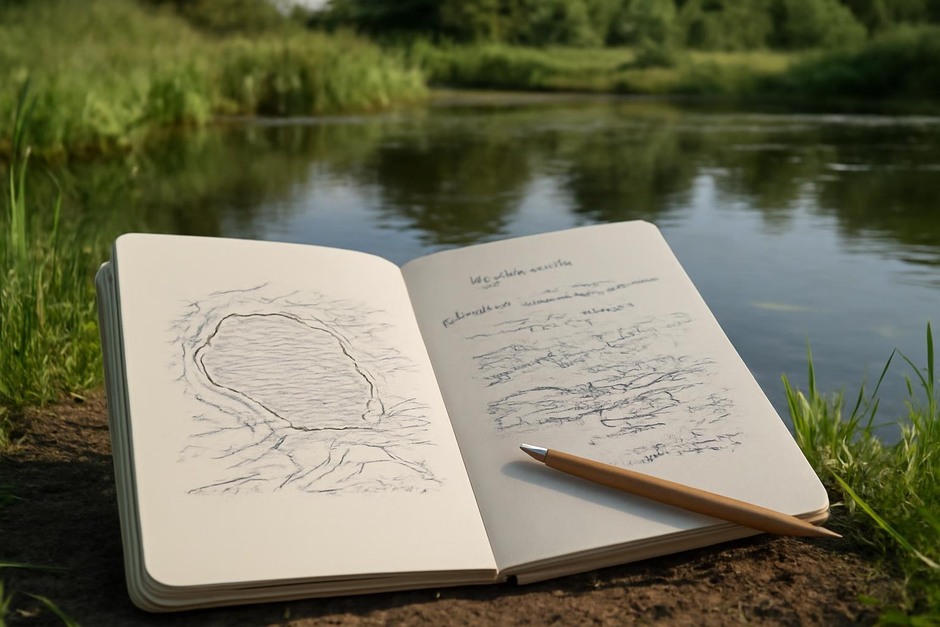
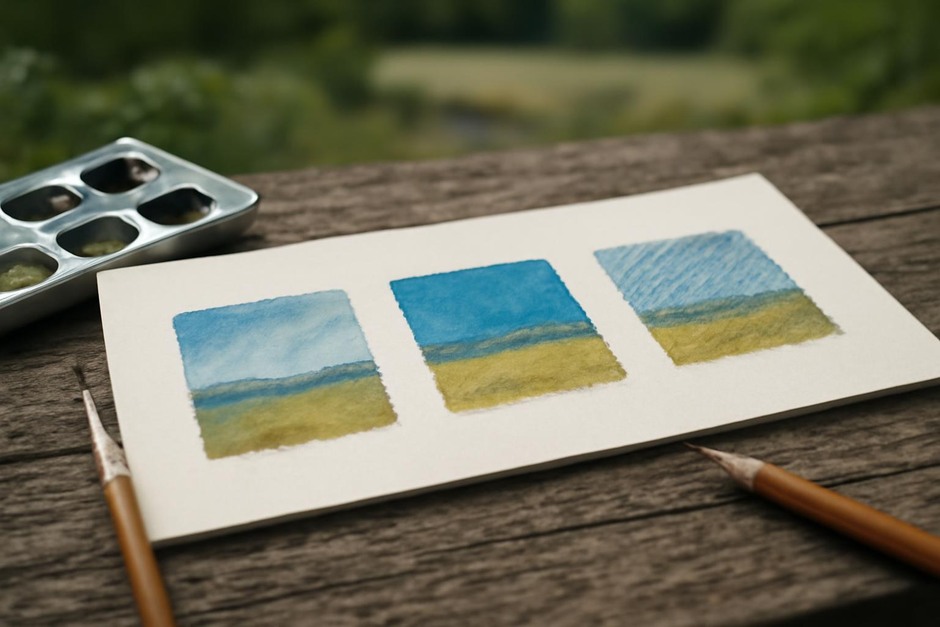
Some artists welcome rain as an active collaborator. Light washes applied while a mist is falling will spread differently than in still air; intentional blots and lifted textures can suggest wet leaves and glossy surfaces. To work this way, accept unpredictability and focus on larger gestures and value relationships rather than precise edges. Use heavier paper that tolerates multiple wet layers.
Rapid-gesture method: speed over detail
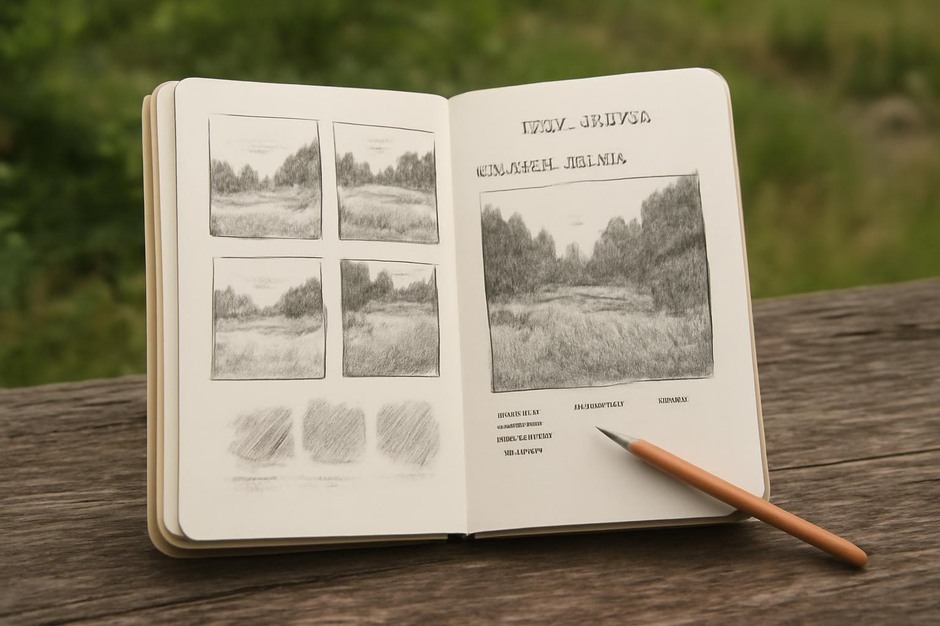
When rain is brief or heavy, a rapid-gesture method captures the essential: quick ink lines for structure, broad diluted colour to indicate light, and a few texture cues. This method is forgiving of mistakes and values readable marks over finish. Keep to a small format so you can complete the page in a single exposure window.
Protecting materials and recordings
Carry a folded waterproof packet for completed pages. A plastic sleeve or a large sample envelope keeps pages safe until they are dry. For pencils and inks, a small cloth to blot hands helps prevent unwanted smudging. If you plan to scan or photograph work later, lay pages flat to dry thoroughly first to avoid rippling.
Compositional approaches for rain
Rain often simplifies scenes by muting mid-tones and heightening contrast between shiny and matte surfaces. Use this to your advantage: emphasize the reflective shapes and let distant details fade. Consider a vertical format to suggest falling rain, or include foreground elements—an umbrella edge, wet leaves—to anchor the composition.
Small habit suggestions
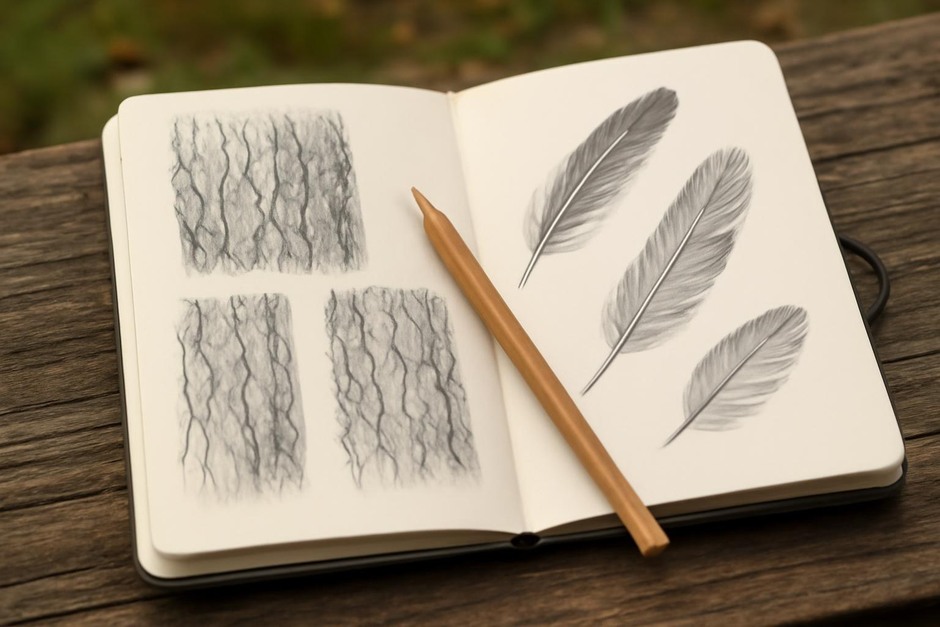
- Keep a single-sheet sketchbook with thick paper just for wet sessions.
- Practice a two-minute sketch as a warm-up to capture structure quickly.
- Have one versatile tool you trust for wet conditions: a pigment pen or a waterbrush.
Ultimately, sketching in rain is about matching intention to conditions. When you want deliberate study, seek shelter and work slowly. When you want to use the weather itself, choose resilient paper and a loose hand. Both approaches yield distinct and useful records of how rain transforms the landscape.